
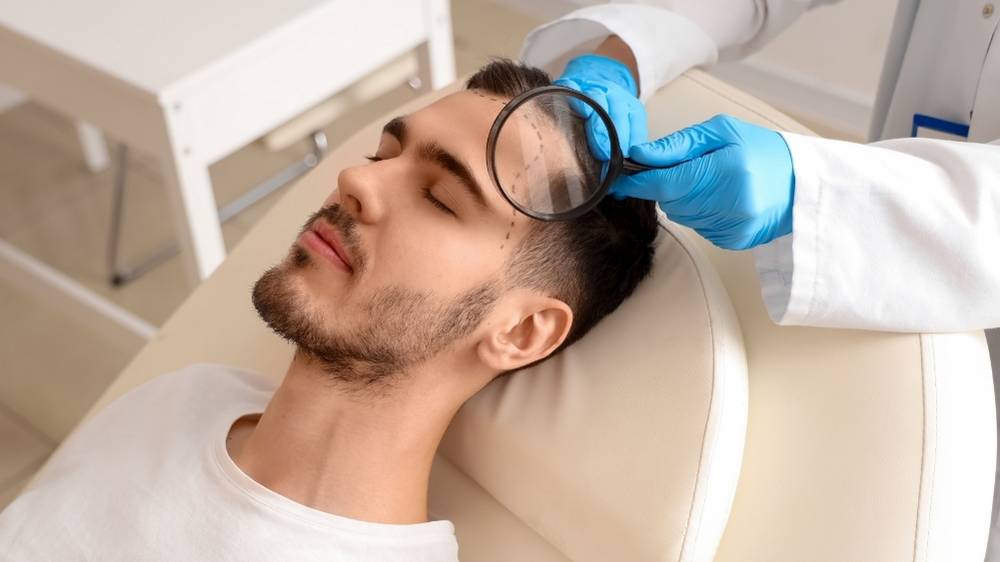
For a long time, the conversation around hair loss was something whispered about in private or hidden under a collection of baseball caps. However, things have changed significantly in recent years. More men and women are being open about their journey toward regaining their confidence, and Glasgow has quietly become one of the most prominent hubs for this transformation. If you have been looking into a glasgow hair transplant, you are certainly not alone in your curiosity. The city is now home to world-class facilities that rival anything you might find in London or even further afield.
The decision to undergo a hair transplant is rarely an overnight one. It usually follows months, if not years, of noticing a receding hairline or a thinning crown in the mirror. While there are plenty of lotions and potions that promise miracles, most people eventually realise that surgery is the only way to truly move hair from where you have it to where you need it. Choosing to stay local for this procedure has become the preferred route for many, and for several very good reasons.
Why Staying Local Matters for Your Procedure
There was a trend for a while where people would fly halfway across the world for cheap surgery. While the initial price tag might look appealing, the reality of travelling back on a plane with a sensitive scalp and no immediate access to your surgeon for follow-up care is often a daunting prospect. This is why a glasgow hair transplant has become such a popular option. Having your surgeon just a short drive or train journey away provides a level of security that you simply cannot get when you travel abroad.
When you choose a clinic in the city, you benefit from:
- Face-to-face consultations where the surgeon can physically examine your scalp and hair density.
- Consistent aftercare appointments to monitor the growth of the new follicles.
- The peace of mind that comes from knowing the clinic operates under strict UK medical regulations.
- Detailed pre-operative instructions that are tailored to your specific lifestyle and health needs.
Understanding the FUE Technique
Most modern clinics in Glasgow focus on Follicular Unit Extraction, commonly known as FUE. This is a far cry from the ‘hair plugs’ of the 1980s that many people still fear. FUE is a meticulous process where individual hair follicles are taken from a ‘donor area’—usually the back or sides of the head where hair is naturally more resistant to thinning—and moved to the areas of concern.
The beauty of FUE is that it is minimally invasive. Because the follicles are removed individually using a specialised micro-punch tool, there is no need for large stitches or linear scars. This is particularly important for men who like to keep their hair short at the back, as the tiny dot scars are virtually invisible to the naked eye once healed. The precision involved allows the surgeon to mimic the natural angle and direction of your original hair, ensuring that the final result looks like it has always been there.
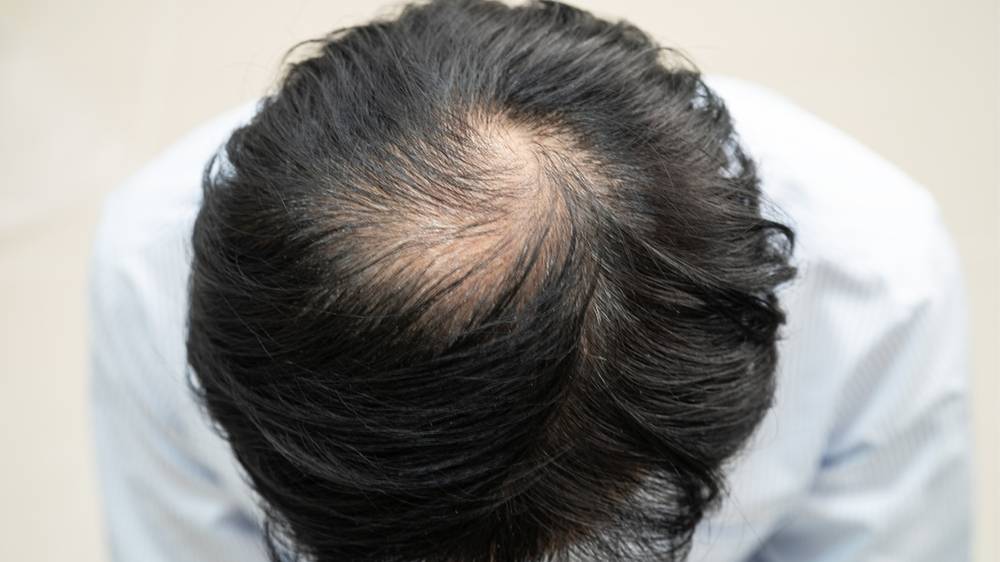
What Actually Happens on the Day of Surgery
A lot of people feel nervous about the actual day of the procedure, but the reality is usually much more relaxed than they imagine. Most Glasgow clinics have designed their surgical suites to be as comfortable as possible. You are generally awake throughout the process, though your scalp is thoroughly numbed with local anaesthetic so you won’t feel any pain.
A typical day usually follows a structured pattern:
- Design and Mapping: The surgeon will sit with you to draw out the new hairline, ensuring you are happy with the shape and placement.
- Extraction: The donor hair is carefully harvested. This part of the day requires a lot of patience from both the surgeon and the patient.
- Site Creation: The surgeon makes tiny incisions in the recipient area, carefully planning the density and flow of the new hair.
- Implantation: The harvested follicles are placed into these sites one by one.
Many patients spend the day catching up on their favourite Netflix series or chatting with the surgical team. It is a long day—often taking between six to eight hours—but it is a one-time investment for a lifetime of results.
The Importance of Realistic Expectations
One thing any reputable surgeon will tell you is that a hair transplant is a journey, not an instant fix. When you leave the clinic, you won’t suddenly have a full head of hair. In fact, most of the transplanted hair will actually fall out within the first few weeks. This is a perfectly normal part of the process known as ‘shock loss,’ and it simply means the follicles are entering a resting phase before they start growing new, permanent strands.
You can usually expect to see the first signs of real growth around the three to four-month mark. By six months, the change is usually quite noticeable, but the final, polished result often takes a full year to eighteen months to mature. Patience is the most important tool in your recovery kit.
Managing Your Recovery at Home
The first week after your surgery is the most critical. You will be given a very specific set of instructions to follow, and sticking to them is vital for the survival of the new grafts. This usually involves spraying the area with a saline solution to keep it hydrated and sleeping at a slight incline to reduce any swelling.
Most people take about a week off work. While you might feel physically fine after a day or two, you will have some redness and tiny scabs in the recipient area that you might not want colleagues to see. By day ten, the scabs usually wash away naturally, and you can return to your normal routine, including gentle exercise. Avoiding heavy lifting and swimming for at least a few weeks is generally advised to protect the delicate new grafts from pressure or infection.
How to Choose the Right Clinic for You
With the rise in popularity of the procedure, there are more options than ever in the city. However, not all clinics are created equal. When you are researching your options, it is important to look beyond the marketing photos. Ask to see long-term results of previous patients and, more importantly, ensure you know exactly who will be performing your surgery. A good clinic will be transparent about their surgeons’ qualifications and their experience in the field.
It is also worth considering the ‘feel’ of the clinic during your initial consultation. You should never feel pressured into making a decision. A quality surgeon will be honest with you if they don’t think you are a suitable candidate or if your expectations are perhaps a little too high for what can be achieved with your available donor hair. The goal is always a natural, sustainable look that will age well with you as the years go by.

Rachel is a print media specialist with expertise in traditional and digital printing techniques, exploring their impact on branding and marketing.